

NARRADOR
— El laberinto del fauno (2006)
Y que dejó detrás de sí, pequeñas
huellas de su paso por el mundo.
Visibles solo para aquel que sepa donde mirar.
Summertime is always difficult for me — the quietness, a brief slumber, a solitude to live within myself and try to slough off the accumulated weariness from the year. It’s where I try to remind myself that the summer is a period of liberation, a kind of freedom for myself and only myself to reignite yearly losses that were lost in pursuit of other more important ‘passions.’
But summer is always hard when a part of you is gone.
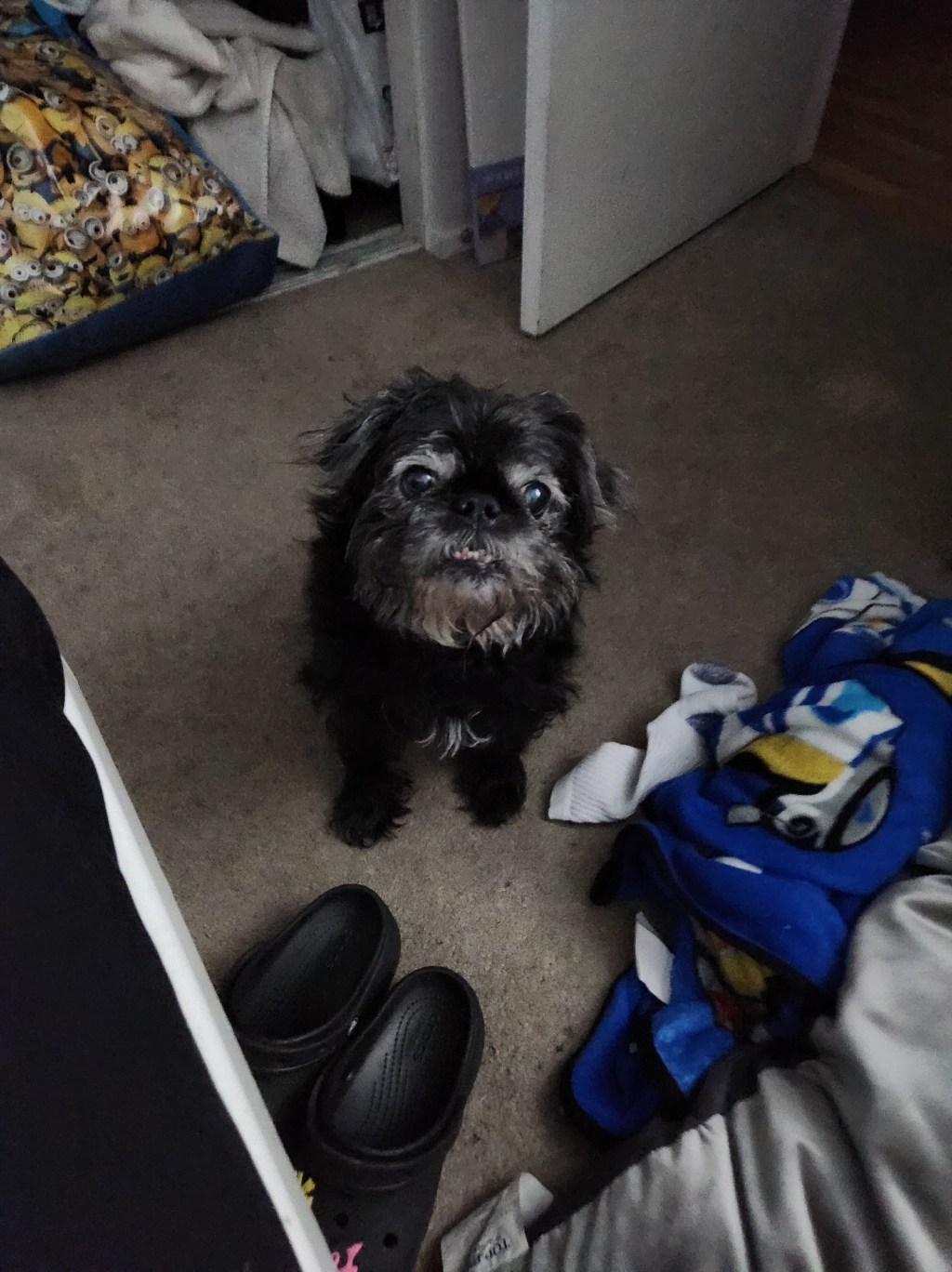
The end of spring was already difficult enough for us when our Ozilla’s littermate and brother Ronaldo was diagnosed with diabetes a little more than a month ago.





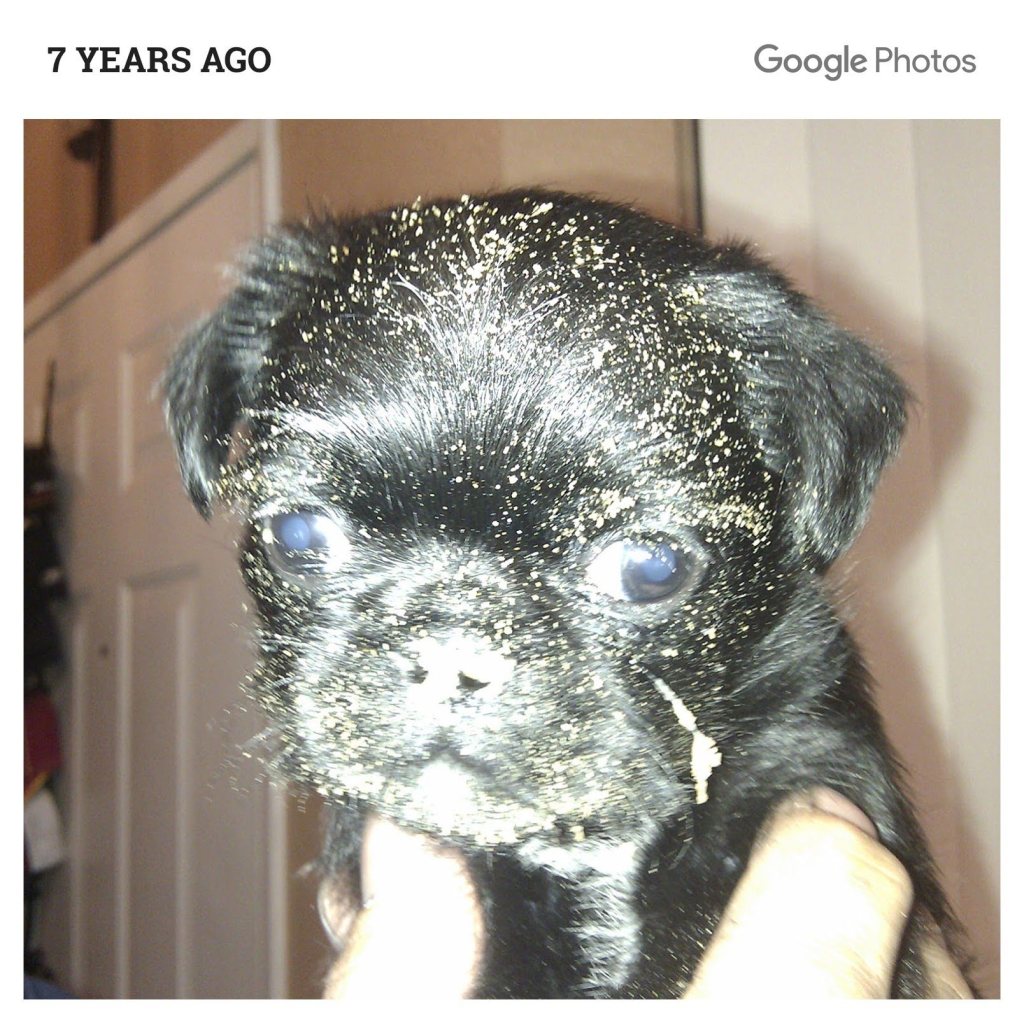

This is our first summer without our princess.
It makes me a little sad that these events — our first spring without her, our first summer, my first start of the school year, our first Halloween, our first holidays, our first New Years — will be future recurrences.
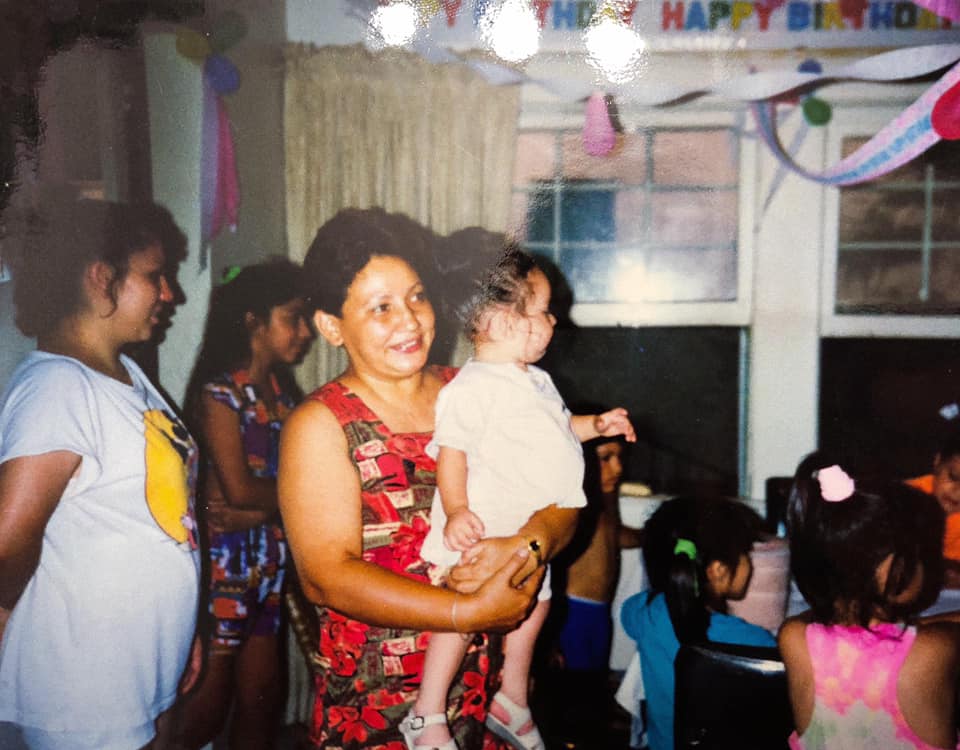
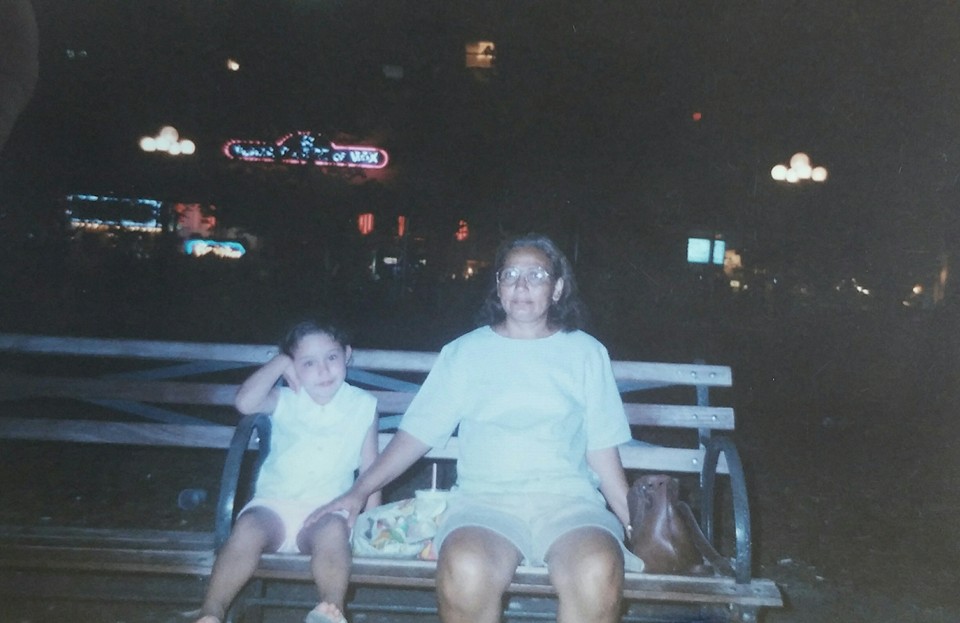
When you grieve, you adapt to life differently — I adapted when I lost my paternal grandmother in elementary school. It was the first visceral experience to death I weathered. I imagined all the experiences and sensations that I would no longer get to endure: there was no need to spend the summers in Humble, I wouldn’t encounter my seasonal friends that I made each summer in Texas; I could breathe a little easier when I woke up every morning because her earthly presence was no longer here to berate me for crinkling my pillows wrong; there would be no need to witness my mother lessen herself for the comfort of the domineering woman who made others anxious. And while the painful — perhaps more precisely, exacting — memories cling a little bit stronger when I think about my grandmother, I do remember her personality fondly.
Her demanding ways were cruel to my father and aunt, but her austerity molded my expectations from a young age. I dwell on how much her tormented life experiences, how the trauma of growing up in an economically and politically destabilized environment, a family so deprived of genuine love and care for her wellbeing, raising a child as a child herself in a cruel, desolate, and precarious world, were part of the fabric of who she was — and how she tried to thread connections with her grandchildren in a language that she could barely understand. When I close my eyes and remember her, I feel both sadness and gratification: for every bitter sensation of what was childhood brutality, I think of how little mercy I could understand then. While my younger self breathed in relief that I would not spend every summer morning remaking my bed over and over, my adult self mourns her daily treats of licuados and sweets after spending the morning watching cartoons and playing in the pool.
I spent two months away from documenting this journey to give myself space to live with the “tragedy.” The crying has gone from every other day to every week. Some weeks are easier to move through, but the days can be just as tough as when we lost our girl. I do my best to keep my crying in short, private bursts, but there are days where I know my family are actively overlooking my puffy eyes. I may be capable of selling a lie here and there for their solitude, but it becomes impossible when the evidence of your sadness is written into your flesh.
I have learned that my life teeters in between habitual and rehabilitated patterns. Working at my home office is still painful, but I place Ozilla’s urn on the chair beside me, speaking out loud to the wooden vessel as I would if she had been present. I still catch myself glancing over, as if she’s going to be seated there uncomfortable but patient, her head tilting back and forth as I ask questions that I know she’d never be capable of expressing answers for. I wake up every 2 hours to check Ronaldo’s blood sugar levels and my heart sinks every time when I pull myself through intermittent sleep inertia and realize that she is still gone and it wasn’t a drawn-out nightmare.
My anxiety is still overwhelming and crushing, but much like Scott’s postcolonial publication Conscripts of Modernity (2004), I have learned to live with ‘tragedy.’ In the introduction of the text, Scott discussed reevaluating the past through the framework of tragedy to extract the presence of unnecessary romanticization to the annals of history. In it, he wrote, “The tragedy of colonial enlightenment, I will argue, is not to be perceived in terms of a flaw to be erased or overcome, but rather in terms of a permanent legacy that has set the conditions in which we make of ourselves what we make and which therefore demands constant renegotiation and readjustment.”1 My application of this framework to my own reality is not to avoid dealing with the aftermath of Ozilla’s loss — how can you really ‘deal with’ death in a way that is both productive for yourself but also attentive to the weight of the toll?
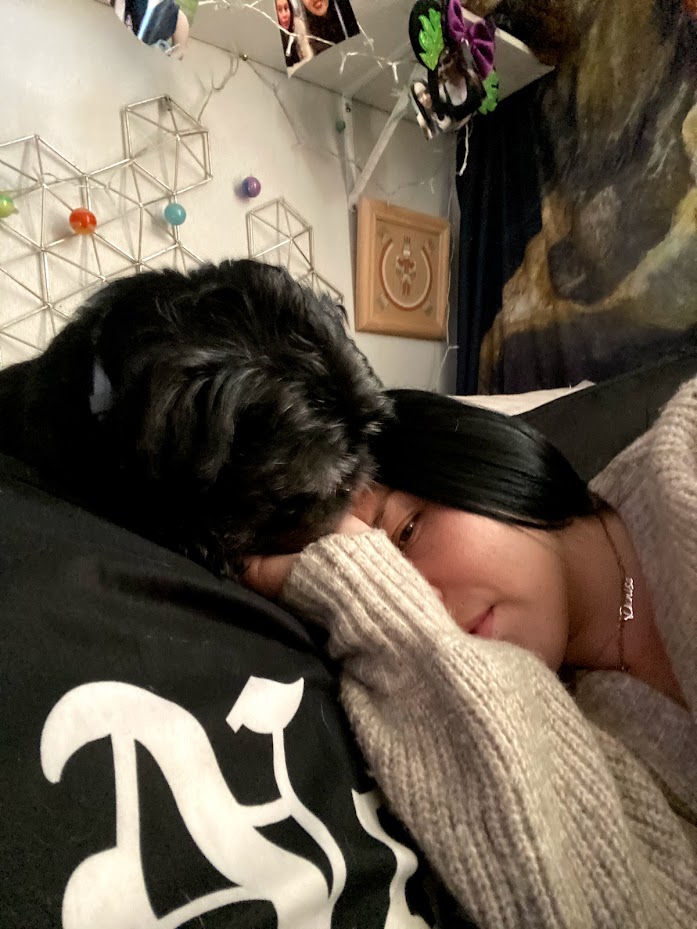
Rather, it’s the recognition that there is no ‘post-‘ Ozilla world — at least not for me. Tragedy is the state of inertia, a world of in-between, a life that basks in shadowed glimmers of what was, what could have been, and what it is now.
A world without Ozilla’s earthly presence feels much like I do about my grandmother’s departure: too soon, too young, and beautifully painful. I regret that I went to work that last morning, but I still find myself grateful that my precious girl offered me two lovely remembrances before she died. As I left for work that morning, Ozilla lifted her head at me in her crib. I leaned down and gave her a kiss on the top of her head; she promptly nuzzled back into her blanket and drifted back to sleep. When I came home, even as she undoubtedly felt ill, she wandered from our bedroom with the faintest wagging tail. It was a far milder doppelganger to her usual excitement when either of us arrived home — Ozilla was notorious for grabbing the nearest object that she could comfortably carry in her mouth — but it was still a pleasantry to witness her tempered spiritedness as I think about it now.
As I move through the rest of this month, I want to linger on recovering and rediscovering the excesses of her life — in places and spaces where I want to save her. I want to run my fingers over our bed and think of how much she loved to take morning naps in our bedroom alone. To feel close to her, to be sad and thankful, that I had her for the time that I did. I still wait for her to visit me in my dreams, but I take solace in the repeated butterflies that visit me when I’m doing my early morning workouts. I want to sit on the couch and tap on the corner cushion, the one she loved to nestle against, and think of how frustrating it was to accomplish anything amidst her deep snores against the pillows. I want to hold Ronaldo, Sydney, and Athena and hold space on my lap where she undoubtedly would have forced herself into; although they don’t understand me, I know that the closeness when we’re sitting together is something we all enjoy.
The tragedy is that there is no post-Ozilla life; there never was going to be. I live in a world where I look for the remains of her life, of our shared life, and I want to build a capsule around those remnants. I want to trace her life, to immortalize the memories and sensations that came along with being her parent, her partner, her support human. I want to look around and feel her everywhere, because I know this is the one way that I can live through the tragedy, to live within that reality.

Would I love to share her with the world? I always do. But right now, this summer, I want to take the time to live with the tragedy in a world where my sadness is keeping her alive a little bit longer. If not for her, but for my selfish need to search for her whenever I need her.
Here goes to moving toward month six.2
- David Scott, Conscripts of Modernity: The Tragedy of Colonial Enlightenment (Durham: Duke University Press, 2004), 21.
Note: This is an excellent text, if only because it was one of the first publications I encountered when trying to grapple with decolonization and necessary, valid critiques against the very nature of ‘post’-colonial theory. But primarily, I’m interested in Scott’s investment to how agency exists within certain conditions, and how power is productive and used to frame those parameters. ↩︎ - I have a few other unpublished posts that I will do my best to work on — if you’re still around, stay tuned. ↩︎



 the desire to be dissolved
Leave a comment